by Belton DeLaine-Facey for Winter Film Festival
See the NYC Premiere of the documentary A Phantom Song on February 22 @2:50PM at LOOK Cinemas (657 West 57th Street) as part of New York City’s 13th Annual Winter Film Festival. Tickets now on sale!
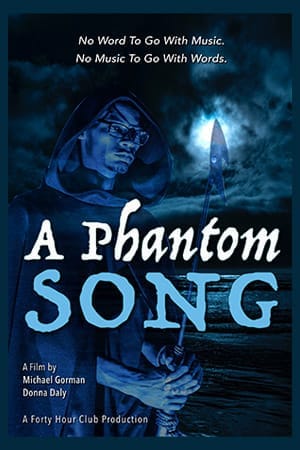
Haunted by the ghosts of Moby Dick and the memory of all those lost to the opiate epidemic, A PHANTOM SONG takes us down to “the crossroads” where the past and future collide in a dramatic struggle for the soul of a long-abandoned theater and its surrounding community.
Most art is meant to build community, bring stories to a new audience, or give a voice to people who aren’t given a platform. That was the goal Donna Daly and Michael Gorman had when making A Phantom Song, their documentary following one of their theatrical productions, which included non-professional performers from the addiction/recovery, reentry, and unhoused community who are often unseen and unheard. The film is a moving look at the impact art can have on people and how a community can uplift everyone in it.
Filmed in a long-abandoned theater in Augusta, Maine — a town without a robust art scene — Michael and Donna saw the opportunity to use their work to leave an impact, led by Michael’s personal experience with loved ones affected by addiction.
They developed the show, The Ahab Inside Me — part of their on-going art & advocacy project Chasing The New White Whale — Harpooning Addiction, and made the unconventional decision to primarily cast people in recovery who had little to no acting experience. While certainly not for everyone, it was an opportunity for many of them to break habits by trying something completely new. Donna recounted, “I think when we explained the roles and what the phantoms really are, they get it and something clicks and they’re like, ‘Oh, you know, that’s kind of like me.’ They can identify with the character on some level.”

Michael added, “the professional actors in the show commented on how the advocacy component and working alongside the “Phantoms” brought a whole different dimension to the show, and how wonderful and fulfilling the experience was—more valuable than just putting on a regular play in a theater.”
The subject matter of the show (addiction) initially drew criticism from some locals as they associated it with many of the negative stereotypes that often follow those struggling with substance use disorder. One of the impacts of the show was combating the bias and stigma surrounding addiction, and showcasing what people can do with a supportive community around them. In the documentary, audiences get to hear from many of the performers and how they connect with their characters.
Michael’s metaphor of Ahab as an “addict” proved to resonate with performers, and they were able to see themselves and their own recovery journeys in the story.

The documentary itself is Michael and Donna’s way of helping reach new audiences while continuing to combat the stigma surrounding addiction. However, film production during the runup to the show came with its own challenges. As Michael told it, “We’re very experienced with the theater production, so that was kind of seamless, but simultaneously shooting a film in a short period of time with vulnerable subjects who are struggling with real-life issues that many of us take for granted, forced us to be more flexible and make sure their needs came first”.
As the show went on, the impact on the community could be felt as perceptions around addiction were gradually changing. “People didn’t want to talk about it at first, and then they started talking about it. Then, they started viewing addiction as a disease. I do see a lot of positive changes that have happened over the whole course of the journey, but in Augusta in particular, we saw it immediately as well. People would say later, ‘I didn’t realize I had so much in common with people like that, people from that background.’ There was a connection that happened.”
The show and documentary are a testament to how much art can mean to people and why it’s important to make it part of communities. It can be used as an outlet for people to express themselves and change their community for the better. It can be difficult for people who don’t live in areas where the art community is established, but it is possible. For those who want to use theater or film to help confront challenges in their own communities, Donna and Michael’s biggest advice is to understand the community, see what they need, and build your coalition.
Michael and Donna’s next theatrical project will take place in New York City in June, 2025. If you would like to follow them and their work, check them out at www.fortyhourclub.com.
[pt_view id=”b377d81u12″ post_id=16446]
About Winter Film Festival
New York City’s 13th Annual Winter Film Festival runs February 19-23 2025 includes 87 outstanding films, a diverse mixture of animated films, documentaries, comedies, romances, dramas, horror films, music videos and web series of all lengths. Our five-day event is jam-packed with screenings and Q&A sessions at NYC’s LOOK Cinemas, six Education sessions/workshops and a variety of filmmaker networking events all coming to a glittering close on February 25 with our red-carpet gala Awards Ceremony.
Winter Film Festival is dedicated to showcasing the amazing diversity of voices in indie film and our 2025 lineup is half made by women and half by people of color. Filmmakers come from 20 countries and 30% of our films were made in the New York City area. 15 films were made by students and 26 are works from first-time filmmakers.
Winter Film Festival programs are supported, in part, by public funds from the New York City Department of Cultural Affairs in partnership with the City Council and are made possible by the New York State Council on the Arts with the support of the Office of the Governor and the New York State Legislature.
Visit https://winterfilmawards.com/wff2025/ for more information.