by Dr. Despina Afentouli for Winter Film Festival
See the NYC Premiere of the feature documentary Ray of Hope on February 22 @5:00PM at LOOK Cinemas (657 West 57th Street) as part of New York City’s 13th Annual Winter Film Festival. Tickets now on sale!

An experiential journey through the storytelling of Sri Lanka’s Tamil people about the tensions between the Sinhalese and Tamil ethnic groups in the aftermath of the British decolonization until nowadays. Ray of Hope directors Ryan Singh and Nikila Cole, and producer Patricia Scarlett, sit down with Dr. Despina Afentouli uncovering the history of Sri Lanka through the eyes of the Tamils.
Ray of Hope is the title of your documentary. What motivated you to produce this documentary and what is the message you would like to convey to the international audience?
Ryan Singh: The motivation to produce Ray of Hope stems from a deeply personal and transformative experience. In 2013, I traveled to Sri Lanka with Rathika Sitsabaiesan, who was then a sitting Member of Parliament in Canada. Our journey, meant to connect with the families and the Tamil community and document their stories, turned into an intense and life-altering experience as we spent six days under siege. Witnessing firsthand the lingering trauma of the Tamil Genocide and the resilience of the Tamil people was profoundly moving and compelled me to share their story with the world.
Ray of Hope is my effort to give voice to the voiceless and shed light on the struggles and resilience of those impacted by conflict and displacement. Through the lens of Rathika’s journey, the film explores themes of survival, hope, and the unyielding strength of the human spirit.
The message I aim to convey to international audiences is the importance of understanding, empathy, and action. By using powerful visuals, authentic storytelling, and a rich, immersive soundscape, Ray of Hope seeks to connect with audiences on a deeply emotional level. My hope is to inspire a global dialogue, foster compassion, and encourage a collective responsibility to advocate for justice and healing in the face of such profound challenges.

How long did it take you to make this film? Tell us about the production. What were the biggest challenges you faced, but also the most rewarding moments?
Ryan Singh: Ray of Hope was a labor of love that took over a decade from inception to completion. The journey began in 2013 when I traveled to Sri Lanka with Rathika Sitsabaiesan, then a sitting Member of Parliament in Canada. The experience of spending six days under siege, documenting the lives and struggles of the Tamil community, set the foundation for this film. However, the actual production process spanned several years, with countless hours dedicated to research, filming, and post-production.
One of the biggest challenges was capturing such a deeply personal and politically sensitive story while maintaining journalistic integrity and respecting the dignity of those who shared their experiences. The Tamil Genocide is a difficult and painful subject, and ensuring that the voices of survivors and the diaspora were authentically represented required careful storytelling. Logistical challenges, such as coordinating shoots across multiple countries and dealing with funding hurdles, were also significant obstacles.
The most rewarding moments came from the connections we built along the way. Hearing survivors share how the film gave them a platform to voice their truth was incredibly moving. Witnessing audiences around the world resonate with the story, seeing their empathy and engagement during screenings and talkbacks, validated the years of effort.
Ultimately, creating Ray of Hope was not just about making a film but about contributing to a global dialogue on justice, resilience, and hope. The journey, though arduous, was deeply fulfilling and continues to inspire me.

It is mentioned in the film that the trauma from the conflicts’ and/or genocides’ survivors can turn to immigrant generational trauma. It is also known that victims avoid talking about their own suffering, so that they won’t retraumatize themselves and relive what they have been through. According to your opinion, is there a way to transfer knowledge to the next generation about a traumatic experience without transferring the trauma?
Ryan Singh: This is a deeply important and sensitive question. The trauma from conflicts and genocides often becomes intergenerational when survivors, in their effort to protect their children, avoid discussing their suffering. However, silence can sometimes create gaps in understanding that perpetuate the emotional weight of the past. Finding a way to transfer knowledge without transferring trauma is challenging but not impossible.
In my opinion, the key lies in storytelling that centers on resilience and healing, rather than solely on pain and suffering. By framing the narrative around survival, strength, and the lessons learned, we can foster understanding without retraumatization. For instance, incorporating cultural heritage, traditions, and stories of hope into the dialogue can help contextualize the past in a way that is empowering rather than debilitating.
Art, film, and literature can also play an instrumental role. They provide a medium to share experiences indirectly, allowing younger generations to engage with history through a creative lens. This approach can help them understand the gravity of the past while also finding inspiration in the resilience of their ancestors.
Finally, fostering open, supportive conversations in safe spaces is critical. This includes involving mental health professionals and community leaders to guide these discussions. By normalizing the act of sharing and emphasizing the importance of learning from the past, we can create a bridge between generations that transfers knowledge with compassion and care.
The goal is not to shield the next generation from the past but to equip them with the tools to understand it, contextualize it, and build a future that honors resilience and promotes healing. Through this balanced approach, we can transfer knowledge while minimizing the risk of transferring trauma.

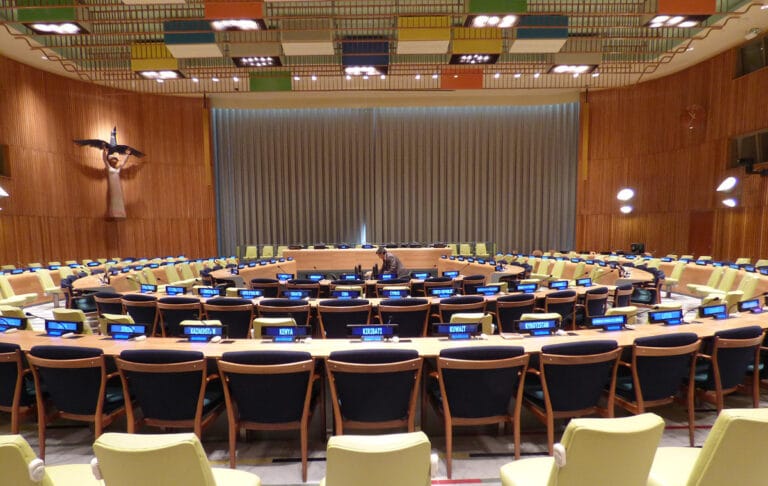
In the film, we saw the example of a politician, who hoped to raise awareness on the Sri Lanka situation, but only as an individual finally managed to talk about it at the United Nations. What are the most effective ways to advocate for human rights?
Ryan Singh: Advocating for human rights is a complex but essential endeavor, and Ray of Hope highlights the challenges and triumphs of individuals like Rathika Sitsabaiesan, who brought attention to the Sri Lankan crisis at the United Nations. While individual efforts can be powerful, creating lasting impact requires a multi-faceted approach.
Change often begins at the grassroots level. Mobilizing communities to share their stories and collectively demand justice can create a groundswell of support. Local advocacy groups and organizations are instrumental in amplifying marginalized voices, raising awareness, and fostering solidarity.
Engaging with policymakers and political institutions is vital for systemic change. Advocates can work with elected officials, lobby for legislation, and push for government accountability. Politicians, like the example shown in Ray of Hope, have the platform to amplify these issues on an international stage, but their efforts must often be supported by public pressure.
The power of storytelling through film, literature, and social media cannot be underestimated. Platforms like Ray of Hope provide a human face to abstract issues, making them more relatable and urgent. Media campaigns that combine traditional outlets with digital strategies can broaden the reach and engage global audiences.
Advocating for human rights often requires cross-border collaboration. Forming coalitions of NGOs, activists, and governments ensures the message reaches international institutions like the United Nations. Collective voices often carry more weight than individual efforts.
While respecting the emotional boundaries of survivors, providing safe spaces and resources for them to share their stories can have a profound impact. Authentic, first-hand accounts humanize the issue and foster empathy, leading to greater public support.
Raising awareness through education is crucial for long-term advocacy. Initiatives that inform the public about historical injustices, systemic issues, and ongoing human rights violations create informed allies who can advocate for change.
Advocacy is rarely about immediate victories; it’s a sustained effort. Persistence in raising issues, even in the face of resistance, ensures they remain part of public discourse. Incremental progress often leads to significant changes over time.
In Ray of Hope, the journey of raising awareness demonstrates that while individuals can spark change, collective efforts make it sustainable. Advocacy requires courage, collaboration, and creativity to ensure that human rights violations are confronted, justice is pursued, and future generations inherit a more equitable world.

“Decolonized” is a term used in the film for Sri Lanka as a country, but also in the case of an individual. What do you think went wrong with the process of decolonization of Sri Lanka from British rule? To what extent the “divide and rule” policy was applied in the Sri Lanka case? And what does it mean that a person be “in the process of being decolonized”?
Ryan Singh: The term “decolonized” in Ray of Hope carries layered meanings, reflecting both Sri Lanka’s national journey from colonial rule and the personal liberation from the lingering effects of colonialism. Examining Sri Lanka’s decolonization highlights the complexities of political independence and the enduring scars of colonial policies, such as the British “divide and rule” strategy.
What went wrong in Sri Lanka’s Decolonization? When Sri Lanka gained independence from British rule in 1948, the structural inequalities and divisions fostered under colonialism were not adequately addressed. The British had institutionalized a “divide and rule” policy, which created and exacerbated ethnic and religious divisions, particularly between the Sinhalese majority and the Tamil minority. Tamils were often favored in administrative and educational opportunities during colonial rule, creating resentment among the Sinhalese. After independence, this imbalance reversed, with policies such as the Sinhala-Only Act (1956) further marginalizing Tamils and sowing the seeds of conflict.
Rather than fostering unity, decolonization in Sri Lanka perpetuated these divisions. The lack of a cohesive national identity and equitable governance created an environment ripe for ethnic tensions, ultimately culminating in decades of civil war and the Tamil Genocide.
The British policy of “divide and rule” in Sri Lanka deliberately heightened ethnic distinctions to maintain control. By privileging certain groups (Tamils) in colonial administrative roles, they created societal rifts. This pattern is not unique to Sri Lanka; similar policies were used in other colonized nations like Guyana, where the British exacerbated tensions between African and Indian populations. In both cases, independence brought unresolved ethnic and class disparities to the forefront, leading to enduring political and social instability.
In Guyana, the British used indentured laborers from India to replace African slaves after abolition, fostering a division between Afro-Guyanese and Indo-Guyanese communities. Post-independence politics in Guyana became polarized along racial lines, with political parties representing ethnic interests rather than national unity. Similar to Sri Lanka, Guyana’s decolonization left behind unresolved ethnic tensions that continue to influence its political landscape.
In Rwanda, Belgian colonial rulers exacerbated ethnic divisions between Hutus and Tutsis, categorizing them based on physical traits and socioeconomic status. After independence, these divisions culminated in the 1994 genocide, with the Tutsi minority targeted by the Hutu majority. The Rwandan case parallels Sri Lanka’s ethnic strife, demonstrating how colonial legacies of division can have catastrophic consequences.
On an individual level, decolonization refers to the ongoing journey of unlearning colonial ideologies and reclaiming one’s identity, heritage, and agency. This can involve rejecting internalized stereotypes, reconnecting with cultural roots, and advocating for systemic change.
For example, in Ray of Hope, the concept of personal decolonization resonates with survivors and members of the Tamil diaspora as they navigate their identities outside of the colonial frameworks imposed on their ancestors. Similarly, in Guyana, Afro-Guyanese and Indo-Guyanese communities continue to grapple with the colonial legacies that shaped their collective and individual identities, seeking ways to forge unity and reclaim their narratives.
The decolonization process is never solely about political independence; it must also address the deep-rooted social, economic, and cultural divisions left by colonial rule. True decolonization requires creating inclusive governance structures, fostering dialogue between divided communities, and empowering individuals to reclaim their agency.
Sri Lanka, Guyana, and other nations remind us that decolonization is an ongoing process—a complex journey toward healing, reconciliation, and the creation of a just and equitable society.

Patricia Scarlett: Anyone, particularly a person of color, raised in a country that was colonized by a European power, faces the difficult task of reconnecting with their cultural heritage, traditions, and history—elements that were suppressed, altered, or discarded because they were deemed of no value. This process involves rediscovering customs and cultural practices that were either outlawed or forbidden by colonial authorities. It is both a personal and collective journey, one that requires questioning and unapologetically rejecting the notions of race (and its negative associations with intelligence, beauty, and ability) and culture that have been internalized by our ancestors and passed down through generations.
In essence, it is a process of empowerment. It involves gaining a clear understanding of the colonial tools of oppression and actively resisting them. This journey brings about a profound shift—one that begins to undo the psychological and emotional damage inflicted by centuries of colonialism. Ultimately, it leads to a renewed sense of identity, a reclamation of one’s culture, and a redefined place in the world.
It is mentioned in the documentary that since Sri Lanka Tamils do not have a land to associate themselves with a country, they do that through their language. How does the language shape the Sri Lanka Tamil cultural identity? And what is the role of traditional dance and religion(s) in addition to the language?
Ryan Singh: Language is a cornerstone of cultural identity for Sri Lankan Tamils, especially in the absence of a recognized homeland. In Ray of Hope, this idea is explored deeply, illustrating how language, traditional dance, and religion serve as vital threads weaving together Tamil heritage and community resilience.
For Sri Lankan Tamils, the Tamil language is more than a means of communication—it is a symbol of cultural continuity and collective identity. Tamil’s rich literary tradition spans millennia, encompassing classical works, poetry, and religious texts. It carries the historical and philosophical essence of Tamil culture, providing a unifying identity for the diaspora scattered across the globe.
In the absence of a territorial homeland, Tamil serves as a portable homeland, fostering a sense of belonging and pride. It connects generations and preserves the memories of a shared history, even amidst displacement and diaspora life. Teaching Tamil to younger generations ensures that cultural traditions and stories endure, offering a connection to their roots despite physical dislocation.
Traditional Tamil dance forms, such as Bharatanatyam, play a profound role in preserving and expressing cultural identity. Rooted in ancient temples, Bharatanatyam embodies spiritual narratives and mythological themes. For Sri Lankan Tamils, dance is a way to celebrate their heritage, articulate their stories, and pass down cultural values.

In the context of displacement and diaspora, traditional dance serves as a medium for healing and reclaiming identity. It becomes an act of cultural resistance and resilience, allowing communities to assert their presence and hold onto their traditions in the face of adversity.
Religion plays a significant role in shaping Tamil identity. Hinduism, practiced by the majority of Sri Lankan Tamils, intertwines deeply with Tamil culture through temple rituals, festivals, and art forms like dance and music. Temples are not only places of worship but also centers for community gathering and cultural education.
For Christian and Muslim Tamils, their respective religious practices also integrate Tamil language and cultural elements, emphasizing shared values and customs while preserving distinct religious identities. Across faiths, religion serves as a framework for moral values, social cohesion, and cultural preservation.
The interplay of language, traditional dance, and religion creates a multifaceted cultural identity for Sri Lankan Tamils. These elements reinforce one another: Tamil religious texts are recited in ceremonies, Bharatanatyam tells stories of gods and epics, and Tamil festivals bring communities together in shared celebration.
By continuing to practice and promote their language, art forms, and religious traditions, Sri Lankan Tamils build resilience against the loss of their cultural identity. These practices not only connect individuals to their past but also offer a way to navigate the challenges of displacement, creating a sense of unity and belonging even without a territorial homeland.
In Ray of Hope, these cultural elements are shown to be essential in preserving the Tamil spirit, highlighting how they provide strength, continuity, and a powerful connection to their roots amidst adversity.

How important is it to inform and inspire the children from a young age about history, heritage and human rights? How could the world and especially multicultural societies be best motivated on human rights issues, when people feel that they are not directly and personally affected by the consequences of these issues?
Ryan Singh: Informing and inspiring children about history, heritage, and human rights from a young age is crucial for fostering empathy, awareness, and responsibility in future generations. Early education on these topics helps children understand their place in the world, appreciate cultural diversity, and recognize the importance of justice and equality.
By learning about their own heritage, children develop a strong sense of identity and pride in their roots. This knowledge empowers them to navigate their lives with confidence while fostering respect for the cultures and experiences of others. When children are also taught about human rights and historical injustices, they become more attuned to the importance of protecting these rights for all people, laying the foundation for active citizenship and advocacy.
In multicultural societies, it can be challenging to mobilize individuals on human rights issues, especially when people feel disconnected from the consequences. However, there are several effective ways to bridge this gap:
Stories have the power to humanize abstract issues. Documentaries like Ray of Hope bring global challenges to life through personal narratives, helping audiences connect emotionally with people affected by human rights violations. Sharing stories of resilience and hope encourages empathy and motivates action, even among those who might not feel directly impacted.
Schools, community programs, and media can play a vital role in raising awareness about human rights issues. Incorporating history, heritage, and human rights into educational curricula ensures that children grow up informed about these topics. Public campaigns can also spotlight lesser-known issues, making them relevant to diverse audiences.
Films, music, literature, and art can act as powerful tools for advocacy. Multicultural societies can use creative platforms to highlight the interconnectedness of human rights issues, showing how they impact not only specific communities but also the broader fabric of humanity.
Young people are often at the forefront of social movements. Empowering youth through mentorship programs, activism workshops, and platforms for creative expression ensures that the next generation remains actively engaged in human rights advocacy.
Framing human rights as a universal value rather than an isolated issue fosters a sense of collective responsibility. Demonstrating how protecting the rights of one group strengthens the rights of all can motivate individuals to advocate for justice, even when they are not directly affected.
Multicultural societies thrive on diversity. Creating opportunities for cross-cultural dialogues fosters understanding and solidarity among different communities, uniting people in support of human rights. Collaborative efforts demonstrate how diverse groups can work together to address shared challenges.
Educating children about history, heritage, and human rights plants seeds for a more empathetic, informed, and inclusive society. When young people grow up with an understanding of the importance of justice and the courage to stand up for what is right, they become catalysts for change.

By inspiring individuals to care about human rights, even when they are not directly affected, multicultural societies can create a global community that values compassion, equality, and the dignity of all people. Films like Ray of Hope play a critical role in sparking these conversations and motivating collective action toward a more just world.
Nikila Cole: I can’t tell you the number of times that young people have come up to us after screenings of Ray of Hope to thank us for either telling them their own history (their parents were too traumatized to tell them), or if they weren’t Tamil, how grateful they were for learning about the story of a people they knew nothing about. Because education and raising awareness of the plight of the Tamil people was, and is our goal, it’s vitally important to us to inform and inspire children from a young age about history, heritage, and human rights. Without that kind of basic understanding, it’s nearly impossible to come to be a fully aware adult. Everywhere we have been with the film, audiences have shown us that people want to be drawn into a story such as ours in order to fully develop as human beings.
There is a shot of the book Long Walk to Freedom by Nelson Mandela in the documentary. Immigration, displacement, refugees, and diaspora has been an ongoing issue for people around the world. To what extent do you think that history repeats itself at different times and geographical locations?
Ryan Singh: Nelson Mandela’s Long Walk to Freedom is a powerful symbol of resilience and the fight for justice, and its presence in Ray of Hope connects the struggles of displaced communities globally to Mandela’s journey through South Africa’s apartheid era. The systemic oppression and eventual dismantling of apartheid in South Africa exemplify how history repeats itself in cycles of discrimination, resistance, and eventual transformation.
Apartheid, implemented in 1948, institutionalized racial segregation and disenfranchised millions of non-white South Africans. This system not only stripped people of their basic rights but also displaced entire communities, forcing them into “homelands” and marginalizing them economically and socially. The forced removals and destruction of black neighborhoods under apartheid echo the displacement and trauma faced by Tamils during the Sri Lankan civil war.
Mandela’s story represents the perseverance required to confront such systemic oppression. His 27 years of imprisonment were a testament to his unwavering belief in equality and freedom. Similarly, Ray of Hope showcases the Tamil diaspora’s resilience in preserving their identity and advocating for justice despite being displaced from their homeland.
Mandela emphasized the unifying power of language and culture in building a cohesive identity for the oppressed. His leadership was deeply rooted in the principle that understanding and acknowledging one another’s humanity transcends divisions. In Ray of Hope, the Tamil language serves as a similar unifier for a people without a geographic homeland, highlighting how cultural preservation becomes a cornerstone of resilience in the face of displacement.
The apartheid regime, like colonial administrations in Sri Lanka, used a “divide and rule” strategy to maintain power. By exploiting racial and ethnic differences, it created divisions that pitted communities against each other, weakening collective resistance. This tactic mirrors the British colonial policies in Sri Lanka, which exacerbated tensions between Tamils and Sinhalese.
Mandela’s approach to dismantling apartheid, however, was a masterclass in reconciliation. Rather than perpetuate cycles of hatred, Mandela sought to unite South Africa through the Truth and Reconciliation Commission, which allowed victims and perpetrators to share their stories and begin healing. This approach offers lessons for other nations grappling with the aftermath of systemic oppression and displacement.
Mandela’s Long Walk to Freedom serves as an educational tool to pass on the history of apartheid without retraumatizing future generations. It emphasizes hope, resilience, and the importance of standing up against injustice. Similarly, Ray of Hope seeks to inform and inspire audiences by focusing on the strength and perseverance of the Tamil community, rather than solely on the pain of their past.

The global relevance of Mandela’s story lies in its emphasis on forgiveness, unity, and the power of the human spirit. Just as South Africa emerged from the darkness of apartheid through collective efforts to rebuild and heal, the international community must approach issues of displacement and diaspora with similar resolve and compassion.
By drawing parallels between South Africa’s apartheid and the Tamil diaspora, Ray of Hope reminds us that the fight for justice is universal and ongoing. Mandela’s “long walk” continues to inspire, teaching us that while history may repeat itself, it is within our power to break the cycle and create a future rooted in equity and understanding.
Patricia Scarlett: The sad truth is that history continues to repeat itself, particularly when it comes to how we respond to conflict. Mankind seems unable to learn from past mistakes. Despite centuries of progress, especially in technology and communication, humanity—particularly those in positions of power—has not yet figured out how to resolve conflicts without resorting to violence. The persistence of war, oppression, and exploitation across centuries and geographical locations suggests that history’s darker periods are continually being repeated.
For centuries, and even up to the present day, the quest for power and control over resources has fueled racial and ethnic divisions, particularly targeting those deemed “less civilized” or “less human” than others. In the modern world, we still witness these same forms of oppression and exploitation, though they may take on new, more insidious faces. For instance, why does Africa, India, and other developing regions of the world continue to be dumping grounds for waste, including ships, electronic, and chemical refuse, often originating from wealthier Western nations?
In recent times, warfare itself has become more “sanitized.” With the advent of digital technology, violence is now often conducted remotely. Drones are routinely deployed to inflict harm on those deemed threats by powerful governments, enabling warfare without the direct human cost that traditional combat once entailed. This shift in how we wage war may make it feel less immediate or personal, but it has only expanded the reach and impact of violence and destruction, often with little accountability.
Yet, despite these recurring patterns, humanity still has the power to break the cycle. We possess the ability to make different choices—choices that prioritize peaceful conflict resolution. Breaking the cycles of violence will require a fundamental shift in mindset, one that challenges entrenched power structures and demands greater accountability from those who wield power. It will require placing human needs ahead of corporate interests, short-term gains, and ensuring justice for all.

About Winter Film Festival
New York City’s 13th Annual Winter Film Festival runs February 19-23 2025 includes 87 outstanding films, a diverse mixture of animated films, documentaries, comedies, romances, dramas, horror films, music videos and web series of all lengths. Our five-day event is jam-packed with screenings and Q&A sessions at NYC’s LOOK Cinemas, six Education sessions/workshops and a variety of filmmaker networking events all coming to a glittering close on February 25 with our red-carpet gala Awards Ceremony.
Winter Film Festival is dedicated to showcasing the amazing diversity of voices in indie film and our 2025 lineup is half made by women and half by people of color. Filmmakers come from 20 countries and 30% of our films were made in the New York City area. 15 films were made by students and 26 are works from first-time filmmakers.
Winter Film Festival programs are supported, in part, by public funds from the New York City Department of Cultural Affairs in partnership with the City Council and are made possible by the New York State Council on the Arts with the support of the Office of the Governor and the New York State Legislature.
Visit https://winterfilmfest.org/wff2025/ for more information.