by René Estes for Winter Film Festival
See the NYC Premiere of short film The Other Side on February 20 @5:45PM at REGAL Union Square (850 Broadway) as part of New York City’s 14th Annual Winter Film Festival. Tickets now on sale!

At a time when the world aches for stories of honorable and generous leadership, Nikita Hattangady’s The Other Side arrives as both a balm and a wake-up call. The film doesn’t just entertain—it challenges and uplifts, offering a vision of strength rooted in kindness, humility, and unwavering generosity, relevant to both men and women.
Set in the pulsing heart of Mumbai, The Other Side draws us into the lives of children and young adults hustling to survive as street artists. They sketch and sell their art on bustling sidewalks, eking out enough rupees to keep hunger at bay. For Jai, the film’s quietly magnetic protagonist, art isn’t just a dream—it’s a ticket to a better life. But as he navigates the city’s chaos, his ambitions run up against a reality far tougher than any canvas: the urgent needs of those around him.
From the film’s opening frames, it’s clear The Other Side isn’t interested in the usual tropes of tortured genius or romanticized poverty. Instead, Hattangady hones in on the quiet heroism of everyday decisions. When Jai is confronted by Sarita—a mentor and friend who recognizes his talent—about his habit of giving away what little money he earns, the film delivers its emotional thesis. “How will you ever get out of poverty if you keep giving your money away?” Sarita demands, exasperated but caring. Jai’s answer, delivered with the stubborn certainty of someone who’s lived too much for his age, lands like a stone in water: “Needs are more important than dreams.”
It’s a line that lingers, echoing through every act of sacrifice and generosity that follows. Jai’s world is one where survival is never guaranteed, and yet, time and again, he chooses to put others first. The film refuses to make him a martyr or a saint. Instead, Jai emerges as something rarer: a young person leading from a place of empathy, not ego.
Hattangady’s inspiration for the film runs close to home. In our conversation, she spoke with warmth and pride about her mother, whose example of honorable, generous leadership shaped her understanding of what true strength looks like. “I wanted to show that leadership isn’t always loud,” she told me, her eyes bright. “Sometimes it’s in the quiet way a person supports their family, the patience to teach, or the humility to admit you don’t have all the answers.”
That ethos pulses through The Other Side’s central relationship. Sarita, a woman who once dreamed of more for herself, takes Jai under her wing, urging him to pursue real art instead of copying cartoons for quick cash. Their bond deepens into a kind of reverse mentorship; as Jai’s star rises and he finds his footing in the art world, he becomes Sarita’s greatest champion, encouraging her not to settle for the life she’s been handed. It’s a subtle inversion of the usual mentor-protégé dynamic—one that feels both modern and true.

“Everyone loves stories about the self-made person,” Hattangady reflected. “But nobody really makes it alone. I wanted to show how mentorship goes both ways—that sometimes, the greatest thing you can do as a leader is to recognize when someone else needs you to believe in them.”
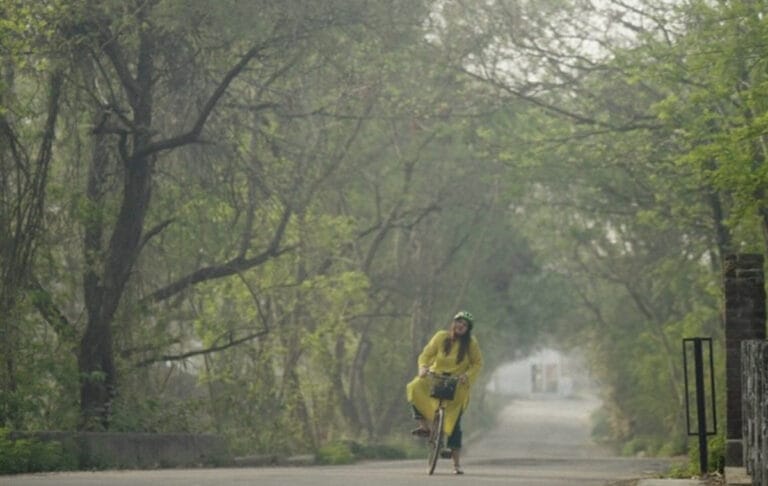
The film’s artistry is just as striking as its message. Shot on location in Mumbai, The Other Side captures the city’s cacophony and color without exoticizing it. But Mumbai, for all its energy, is also famously expensive—a reality that shaped the film’s production in unexpected ways. To stretch the budget and retain authenticity, parts of the film were shot in Pune, a city that shares Mumbai’s vibrant spirit but offers a bit of financial breathing room. The result is a tapestry of two cities: Mumbai’s relentless pace and Pune’s quieter corners, both rendered with care.
The camera lingers on faces—lined, hopeful, exhausted—while street scenes pulse with energy. The child actors bring a rawness and honesty that never feels forced, especially in moments when hunger and heartbreak collide. Scenes where Jai quietly shares his meager earnings or comforts a friend in need are rendered with restraint, yet are deeply moving in their simplicity—a testament to how small acts of generosity can echo louder than grand gestures.

What impresses most, though, is the film’s refusal to preach. There’s no moralizing, no tidy answers. Jai’s choices come with real consequences, and not every sacrifice is rewarded. Yet the film never loses sight of its central truth: the most profound leadership is built on generosity, not glory.
The Other Side stands out for its heart and its hope. Audiences seeking stories of genuine, compassionate leadership—regardless of gender—will find much to reflect on and celebrate in Hattangady’s work.
The Other Side isn’t just a film about poverty, or art, or even mentorship. It’s a reminder—timely and tender—of the kind of leadership we long for: rooted in humility, shaped by kindness, and always, always generous. In a festival season crowded with spectacle, Hattangady’s quiet masterpiece promises to make a lasting impact.
About Winter Film Festival
Winter Film Festival is an all-volunteer women and minority-run organization as part of Winter Film Awards Inc, a 501(c)3 organization founded in 2011 to celebrate emerging talent in local and international filmmaking.
The 14th Annual Winter Film Festival runs February 18-22 2026 includes a diverse mixture of animated films, documentaries, comedies, romances, dramas, horror films, music videos and web series of all lengths. Our five-day event is jam-packed with screenings and Q&A sessions at NYC’s REGAL Union Square, six Education sessions/workshops and a variety of filmmaker networking events all coming to a glittering close on February 22 with our red-carpet gala Awards Ceremony.
Winter Film Festival programs are supported, in part, by public funds from the New York City Department of Cultural Affairs in partnership with the City Council and are made possible by the New York State Council on the Arts with the support of the Office of the Governor and the New York State Legislature. Promotional support provided by the NYC Mayor’s Office of Media & Entertainment.
For more information about Winter Film Festival, visit WinterFilmFest.org
email us at info@winterfilmawards.com and visit us at Instagram, Facebook and Twitter.